OMRON

Global

  1. Home
  2. About OMRON
  3. CSR (Corporate Social Responsibility)
  4. Environment
  5. Eco-Logistics
  6. CO2 Emissions Reduction in Logistics

CO2 Emissions Reduction in Logistics

  • Text Size
  • Small
  • Medium
  • Large

Basic Policies

OMRON is committed to promoting improvement of transport efficiency in order to reduce CO2 emissions at the logistics stage. Although OMRON in Japan does not fall into the category of designated shippers※1 under the Energy Conservation Law, OMRON is aware of its social responsibility as a shipper※2. As such, OMRON is striving to review circulating transportation routes, expand consolidated cargo transportation and joint distribution with other companies, while also promoting upgrades to eco-friendly trucks (natural gas vehicles). For overseas distribution, OMRON is working to consolidate import/export points to further lessen CO2 emissions.

※1  Designated shippers
A designated shipper is a shipper with freight transport totaling 30 million ton-kilometers or more per year (calculated by multiplying the number of metric tons of cargo carried by the distance they are transported in kilometers). Designated shippers are mandated to formulate energy-saving plans and regularly report the amount of consumed energy.
※2 Shipper
A shipper is a company that has its cargo related to business continuously transported by cargo distributors. Under the Energy Conservation Law, shippers are required to promote energy conservation for cargo transportation.

FY2011 Overview

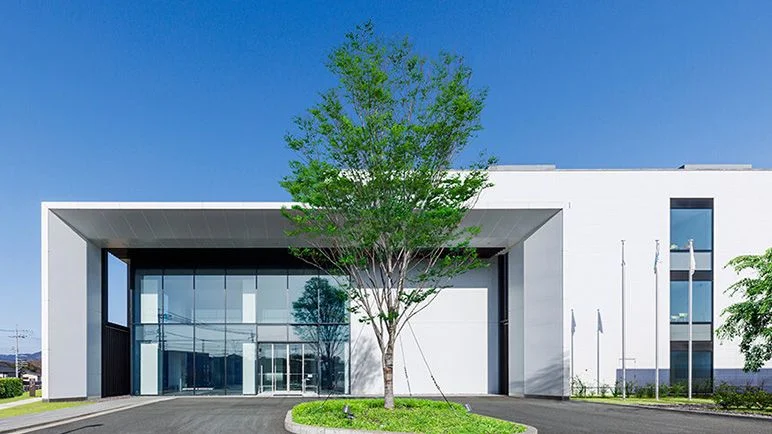
Logistics center in Osakaenvironmentally-responsible
truck

Due to the effects of the Great East Japan Earthquake, in fiscal 2011 OMRON made it first priority to ensure that products needed by customers reach them correctly. Despite this, cargo transport volume in Japan decreased 1.1% compared to the fiscal 2010 level, resulting in a slight 0.3% decrease in CO2 emissions.

Outside Japan, thanks to the increase in transportation by ship, CO2 emissions decreased 25%.

In the years to come, OMRON will continue working to enhance transport efficiency and promote conventional measures in order to further curtail CO2 emissions at the logistics stage.

Top of Page